
A wet floor beside the water heater is a call we hear about constantly, and the first question is always the same: where is it actually coming from? Water runs downhill and pools at the lowest point, so the puddle is often nowhere near the source. It might be the temperature and pressure relief valve or its discharge line, the drain valve near the bottom of the tank, the hot and cold connections on top, condensation on a cold tank, or a nearby pipe that has nothing to do with the heater. It might also be the tank itself, and that answer changes everything. In Appleton, WI, we trace the source before we touch a wrench.
Finding the source is a process, not a glance. We clear and dry the area, then watch where new water appears. The relief valve and its discharge pipe get checked first, followed by the drain valve and the inlet and outlet fittings, where dielectric unions and flex connectors tend to corrode. If the heater is gas-fired, we look inside the burner compartment, since water there can be condensation or a sign the tank has given out. When the relief valve is involved, we measure water pressure and check for proper thermal expansion control. We recommend nothing until the source is confirmed.
With the source confirmed, the fix is often simple. A new T&P valve, a brass drain valve in place of a weeping plastic one, fresh dielectric fittings or supply connectors, and an expansion tank or pressure-reducing valve where pressure is to blame can all be handled on the spot. A corroded tank is different. Nothing will reliably seal a rusted tank, so we explain replacement honestly and help you choose the right heater. Before we leave, we can add a drain pan with a drain line and a leak sensor, especially for heaters in attics, closets, or upstairs. Call (920) 200-3343 for leak repair in Appleton.
Our two most requested services are Water Heater Repair in Appleton and Water Heater Replacement in Appleton. Either is a good place to start.
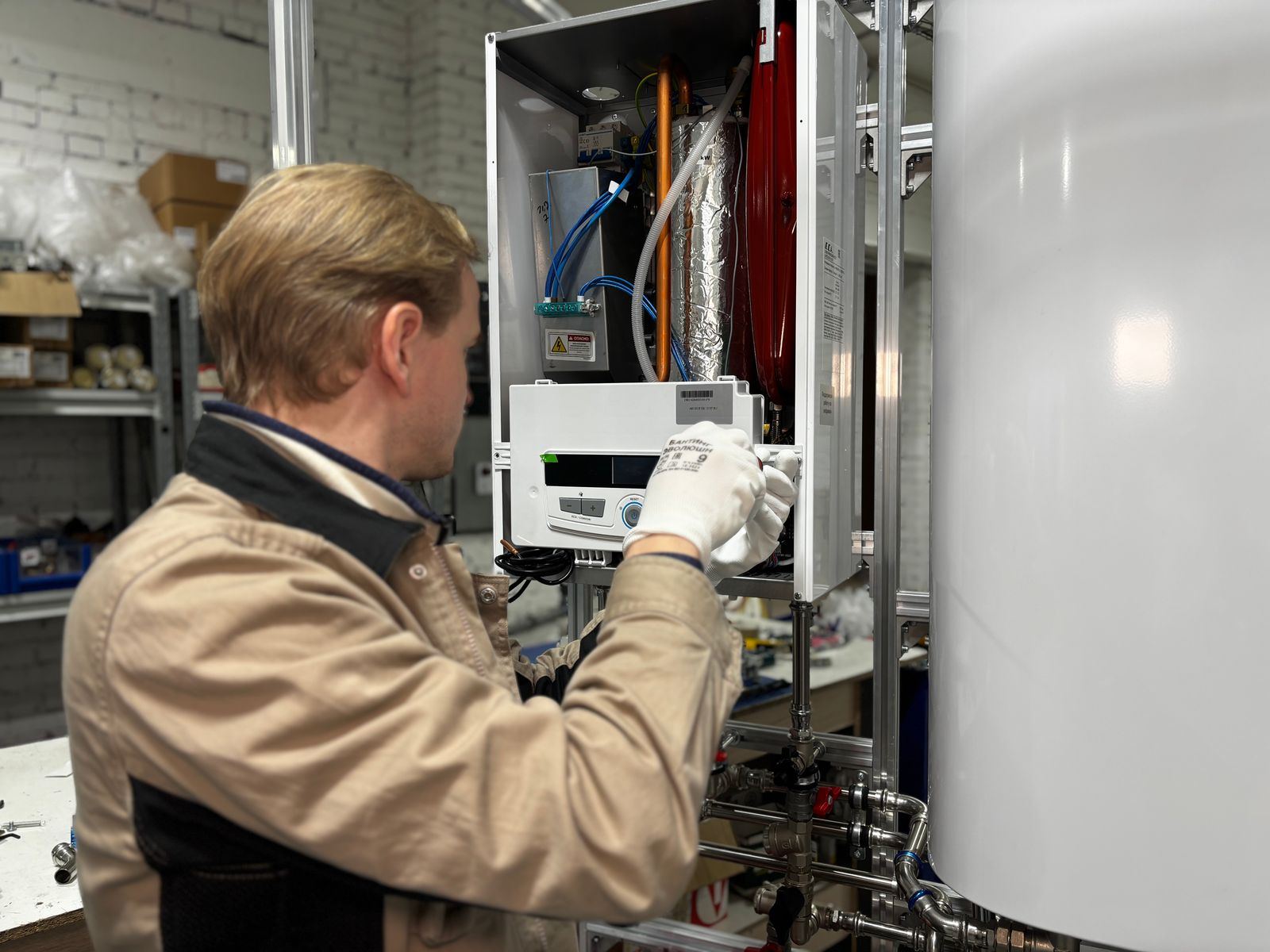
Signs You Need Water Heater Leak Repair in Appleton
Recognizing the warning signs early can save you money and keep a slow drip from turning into a flooded utility room. Watch for these telltale signs that professional help is needed:
- Rust-tinted hot water and signs of seepage near the base
- Water inside the burner compartment of a gas heater
- A puddle or damp spot on the floor around the base of the tank
- Higher water use with no obvious explanation
- Corroded pipe connections or damp flex lines above the heater
- A drain valve at the bottom of the tank that drips even when closed
- Water stains, soft flooring, or musty smells near the heater closet
- Moisture or mineral crust at the end of the relief valve pipe
Early Action Saves Money
Most water heater failures start small: a popping sound from sediment, a damp spot under the drain valve, or a shower that goes lukewarm a few minutes sooner each week. Call Appleton Water Heater at (920) 200-3343 at the first sign of trouble.
Need Help With Water Heater Leak Repair?
Our experienced technicians are standing by to help.
Tap to Call (920) 200-3343Water Heater Leak Repair FAQ
What a Trained Technician Brings to the Job
Reading a water heater leak correctly is harder than it looks. A drip that appears to come from the bottom may start at a fitting on top and run down the jacket, and condensation on a cold tank can pass for a failing tank. Buying the wrong part is money down the drain, and overlooking a tank that is starting to go can lead to a much bigger flood later. There are safety concerns, too. The relief valve guards the tank against runaway heat and pressure, and blocking it to stop a drip can set up a violent failure. Corroded fittings on an older tank can crack under a wrench, and electric models run on 240-volt power that do not mix well with wet floors.
We work through leaks step by step and fix the cause along with the drip. We start by drying the unit, let new water reveal the source, test water pressure when the relief valve is involved, and check for expansion issues that cause weeping valves. We replace valves and fittings with durable replacements, swap plastic drain valves for brass, and add an expansion tank or pressure-reducing valve when pressure is the root problem. If the tank has failed, we tell you directly and explain replacement options, including the drain pan and leak protection that can keep the next failure from turning into water damage.
Our Water Heater Leak Repair Process
We work through a clear, repeatable process so you always know what's happening and what it will cost. Here's how we handle water heater leak repair from start to finish:
Contain the Water
First the water gets stopped. We confirm the supply valve is closed, the heater is off, and the area is dry enough to work safely.
Find Where It Starts
Every likely source gets checked: T&P valve, drain valve, inlet and outlet fittings, connectors, condensation, and the tank itself. Nothing gets replaced on a guess.
Check Pressure & Expansion
If a relief valve is involved, we measure static pressure and check for an expansion tank, since high pressure will ruin a new valve fast.
Fix and Confirm Dry
The faulty valve or fitting is replaced, the tank is refilled and bled of air, and we watch the connections under pressure until we are sure they are dry.
Repair or Replace? Let's Figure It Out.
Tell us the age, fuel type, and symptoms, and we'll help you sort out the next step.
Get Help: (920) 200-3343How to Prevent Water Heater Problems
Most of the failures we see could have been delayed for years with basic upkeep. Follow these tips from our technicians:
- A battery leak alarm beside the heater costs little and can catch a problem days sooner
- Inspecting the anode rod periodically is one of the best ways to delay a tank leak
- Glance at the heater monthly for damp spots, rust, or crust on the fittings
- A properly drained pan under the tank catches small leaks before they reach your floors
- High street pressure is hard on water heaters, so a pressure test and regulator can prevent repeat drips
- Flush the tank once a year so sediment does not overheat the bottom and speed corrosion
- Ask about expansion control if your home has a check valve or backflow preventer
DIY vs. Professional Water Heater Leak Repair
Online videos may help in a pinch, yet lasting repairs and code-compliant installs depend on correct venting, proper relief valve discharge piping, and a trained technician. Here's a comparison:
| Factor | Doing It Yourself | Professional Service |
|---|---|---|
| Finding the Source | Replace parts until the drip stops | Leak traced to its true starting point |
| T&P Valve | Drip silenced, pressure problem left behind | Valve and pressure both addressed |
| Corroded Connections | Wrapped in tape and hoped for the best | Corroded connections replaced with new fittings |
| Condensation vs Leak | Unneeded parts or a whole new heater | Condensation identified before money is spent |
| Protecting the Home | Floors left exposed to the next leak | Shutoff labeled and leak alarms suggested |
| Result | Source unconfirmed | Lasting fix, verified under pressure |
Talk to Our Water Heater Leak Repair Team
Get your hot water back before a small fault turns into a flooded floor. Appleton Water Heater is ready to respond fast.
Get Help: (920) 200-3343Where We Provide Water Heater Leak Repair
Wherever you are in the area, the same experienced team shows up with the same parts and the same pricing. Find your community below.